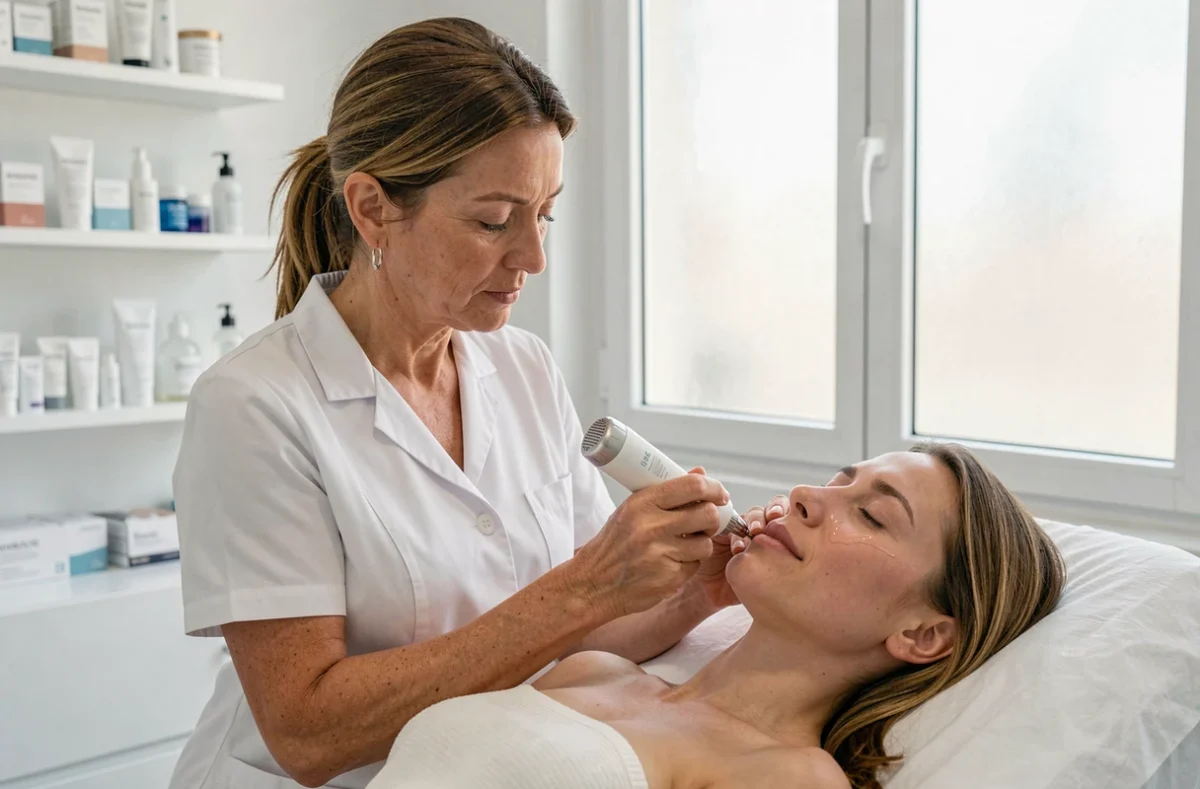
Microneedling is one of the aesthetic medicine procedures seeing steadily growing demand in Marseille clinics. Among the devices used, SkinPen is increasingly featured in treatment protocols offered to patients, particularly for treating acne scars and improving skin texture. This positioning is based on a specific regulatory framework and clinical data that deserve closer examination beyond the marketing claims.
SkinPen FDA clearance: what the authorization actually covers
SkinPen is often described as the first microneedling device authorized by the US FDA. This is accurate, but it warrants careful interpretation. FDA clearance applies to specific indications: improving the appearance of facial acne scars in adults, and a separate clearance for neck wrinkles.
In August 2024, the FDA updated the clearance for the SkinPen Precision Elite model, extending the indication to adults of all skin phototypes. This decision marks a notable regulatory development, but it does not automatically validate every aesthetic claim sometimes associated with microneedling (a brighter complexion, tighter pores, overall rejuvenation).
One point often overlooked: US clearance does not replace the rules that apply in France. Marseille clinics offering SkinPen microneedling in Marseille operate under the French regulatory framework for aesthetic medicine, where the procedure must be performed or supervised by a physician.
Acne scars and microneedling: level of evidence and known limitations
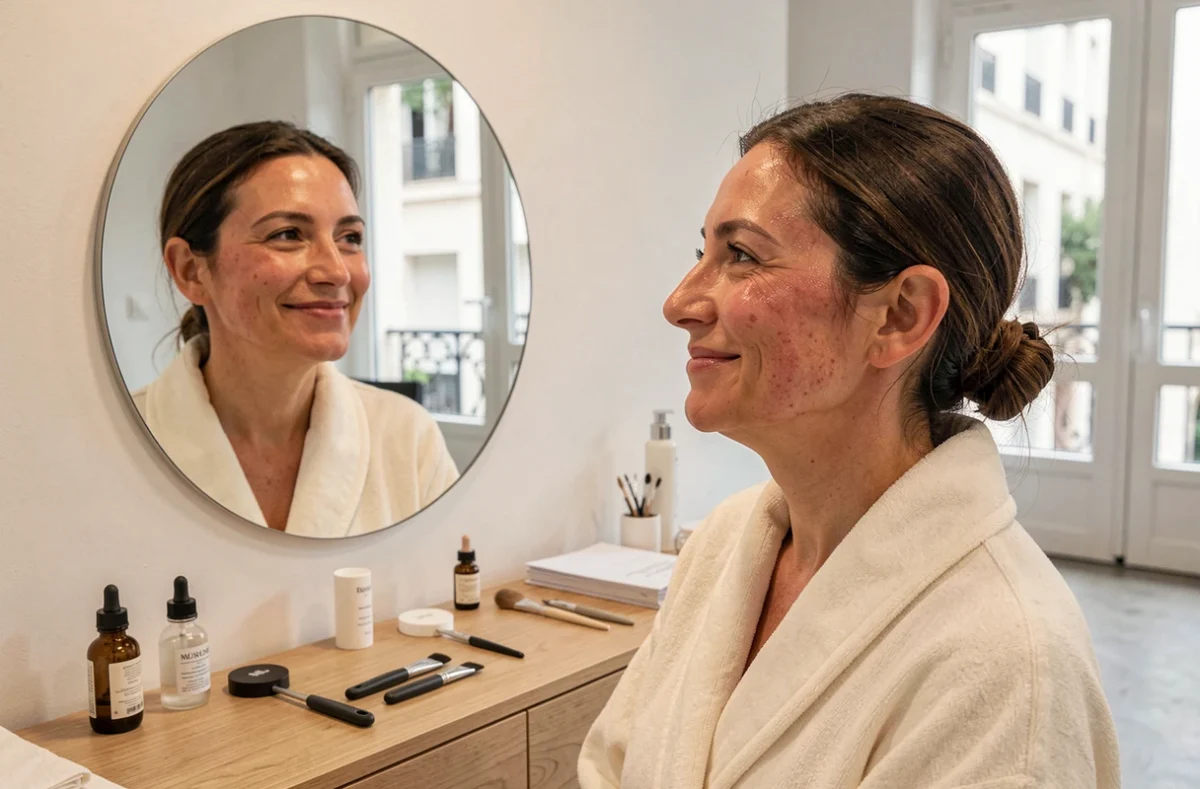
The strongest clinical evidence relates to atrophic acne scars (the small depressions left by acne). The mechanism involves induced neocollagenesis: the micro-perforations created by the needles trigger a repair cascade that prompts the dermis to produce new collagen and elastin.
Microneedling reduces the appearance of scars without removing them completely. Available reviews note that existing studies are often small and have methodological limitations. This does not discredit the technique, but it calls for caution about the results patients can expect.
Several factors directly affect treatment efficacy:
- The needle depth selected by the practitioner, which varies according to the area treated and the type of scar (ice-pick scars do not respond in the same way as rolling scars)
- The number of sessions performed, generally spaced four to six weeks apart to allow the dermis time to remodel
- The serums applied during the session, whose composition and quality vary considerably from one clinic to another
- The post-treatment protocol followed by the patient (strict sun protection and avoiding certain active ingredients for several days)
For other common indications (fine lines, enlarged pores, dull complexion), the evidence is less robust. Patients often report a subjective improvement in skin texture, but data are lacking to precisely quantify these results compared with other skin-stimulation techniques.
SkinPen compared with other microneedling devices in Marseille
Several clinics in Marseille use different microneedling pens, including Dr. Pen and other equivalent medical devices. The question is whether SkinPen offers a measurable clinical advantage over these alternatives.
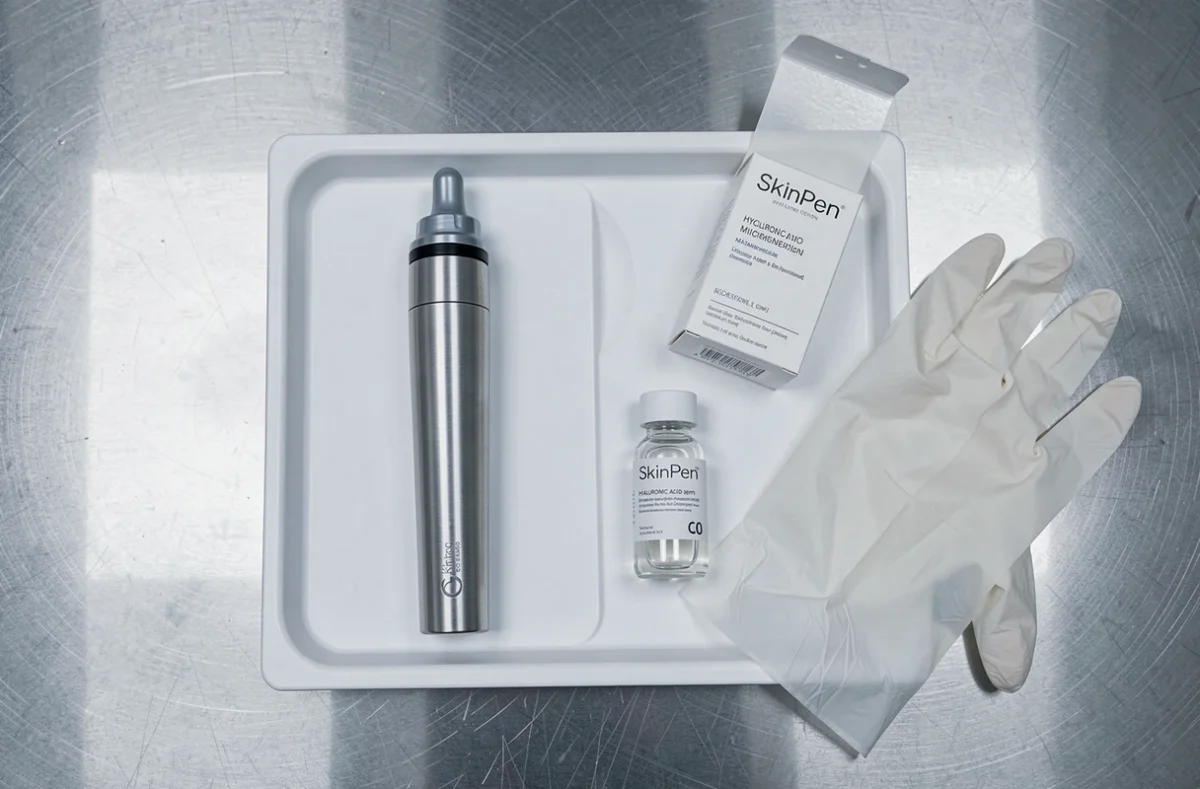
SkinPen’s main selling point is its regulatory status. FDA clearance, supported by the clinical trials it requires, provides assurance of device traceability and standardization. The needles are single-use, and the system is designed to limit the risk of cross-contamination.
However, no published comparative study has yet demonstrated that SkinPen is more effective than other medical pens used under equivalent conditions. The practitioner’s expertise matters more than the device brand: the initial diagnosis, choice of penetration depth, and tailoring of the protocol to the patient’s skin phototype remain the decisive factors.
Clinics that invest in SkinPen also do so for positioning reasons. The device is becoming increasingly well known among patients who research their options online before booking a consultation, creating a demand-driven effect.
Typical patient profile and microneedling contraindications
Medical microneedling is primarily intended for women aged 30 to 50 who want to maintain their skin quality without resorting to injections. Acne scars, uneven skin texture, and fine lines are the most common reasons for consultation.
The extension of the SkinPen Precision Elite clearance to all skin phototypes is particularly noteworthy in Marseille, a city with a highly diverse range of skin tones. Darker skin, historically more prone to post-inflammatory hyperpigmentation, can benefit from the treatment provided the practitioner adjusts the depth and intensity of the protocol.
Contraindications remain the same as for microneedling in general:
- Active skin infections (herpes, an inflammatory acne flare-up) in the treatment area
- Current treatment with isotretinoin or anticoagulants
- Pregnancy and breastfeeding, as a precaution
- A history of abnormal scarring (keloids) in the area concerned
What a session involves
A session generally lasts between twenty and forty minutes, depending on the size of the treatment area. A numbing cream is applied before the pen is used. Post-treatment redness resembles a moderate sunburn and fades within one to three days. Downtime is minimal, which partly explains the treatment’s appeal to busy women.
Results are not immediate. New collagen production takes several weeks, and most protocols involve three to four sessions to achieve visible, lasting results. Expecting a miracle after a single session would be to misunderstand the biological process involved.
SkinPen microneedling is gaining ground in Marseille because it meets a specific demand: a medically supervised treatment without injections and with a short recovery time. Patients who are best informed are also the ones most likely to have realistic results, because they come to their consultation with expectations aligned with what the technique can actually achieve.