Refreshing your style doesn’t mean emptying your wardrobe and starting from scratch. The clothes you already wear probably include most of what you need. By combining what you own in new ways, having a few forgotten items altered and occasionally adding a second-hand piece, you can transform your everyday look without buying more.
Cost per wear and versatility: two criteria for sorting your wardrobe
Have you ever noticed that a garment worn twice actually costs far more than one worn fifty times, even if it was cheaper to buy? Thinking in terms of cost per wear changes how you view every item in your wardrobe.
Take a pair of heavyweight cotton trousers you bought three years ago. If they fit well and the cut still feels current, their actual cost per wear is negligible. By contrast, a trendy top worn for one season and then relegated to the back of a drawer is a wasted investment.
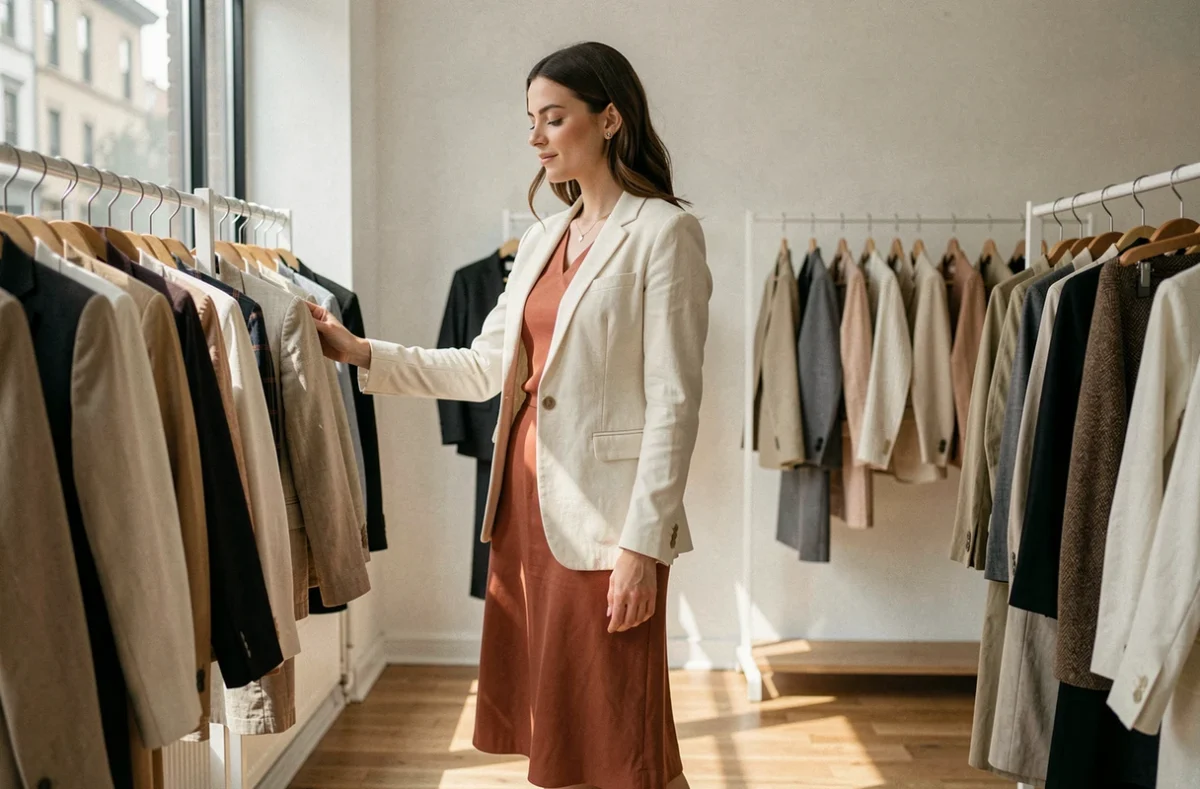
To sort your wardrobe effectively, lay each item on the bed and assess its versatility. A piece that works with at least three different outfits deserves to stay. Inspiring articles and practical tips published in the fashion section of Les Carnets du Web can help you spot combinations you might not think of on your own.
Clothing alterations: the underrated way to change your style
Having a garment altered often costs less than buying a new one, and the results can be dramatic. A blazer that’s too wide at the shoulders can come back to life with a simple adjustment at the waist. A pair of jeans with an outdated length can become a more current cropped style in just a few minutes at an alterations shop.
When alterations are worth it
Whether an alteration is worthwhile depends on the garment’s condition and fabric. Fabric weakened by wear or knitwear with runs may not hold up to changes. Woven fabrics, on the other hand—cotton, linen, felted wool and denim—are well suited to alterations.
Here are some of the most cost-effective alterations for transforming a garment’s look:
- Shorten or adjust trouser hems to modernize the silhouette—an alteration that usually costs about as much as an accessory
- Take in a coat or jacket at the waist to turn a shapeless look into a structured fit
- Replace the buttons on a blazer or overcoat with horn, brushed metal or mother-of-pearl buttons to completely change the character of the piece
These simple changes make it possible to refresh your style without buying a single new item.
Second-hand shops and thrift stores: sources of fashion inspiration in their own right
Resale platforms and brick-and-mortar thrift stores are no longer just budget-friendly options. They’ve become places to explore and experiment with style. You can find cuts, prints and fabrics that aren’t always available in current collections.
Look for a specific piece, not a trend
A common mistake when shopping at a thrift store is going in without a clear idea of what you’re looking for. The sheer number of items can quickly become overwhelming. It’s better to go in with a specific gap in mind: a linen jacket for in-between seasons, a neutral-colored turtleneck or a wide leather belt.
A well-chosen second-hand garment complements an existing wardrobe instead of overcrowding it. This targeted approach helps avoid impulse buys that end up recreating the same problem: a closet packed with items you rarely wear.
Check before you buy
Inspect the seams, zippers and stretch in the fibers. Fabric that’s already heavily pilled or stretched-out elastane won’t be easy to fix. A slight fade on a heavyweight cotton garment, however, can give it a character that new clothes don’t have.
Mixing and matching what you own: combinations that make all the difference
Refreshing your style often comes down to trying new combinations rather than buying new pieces. An item you think of as a basic can become the centerpiece of an outfit when you change what you wear with it.
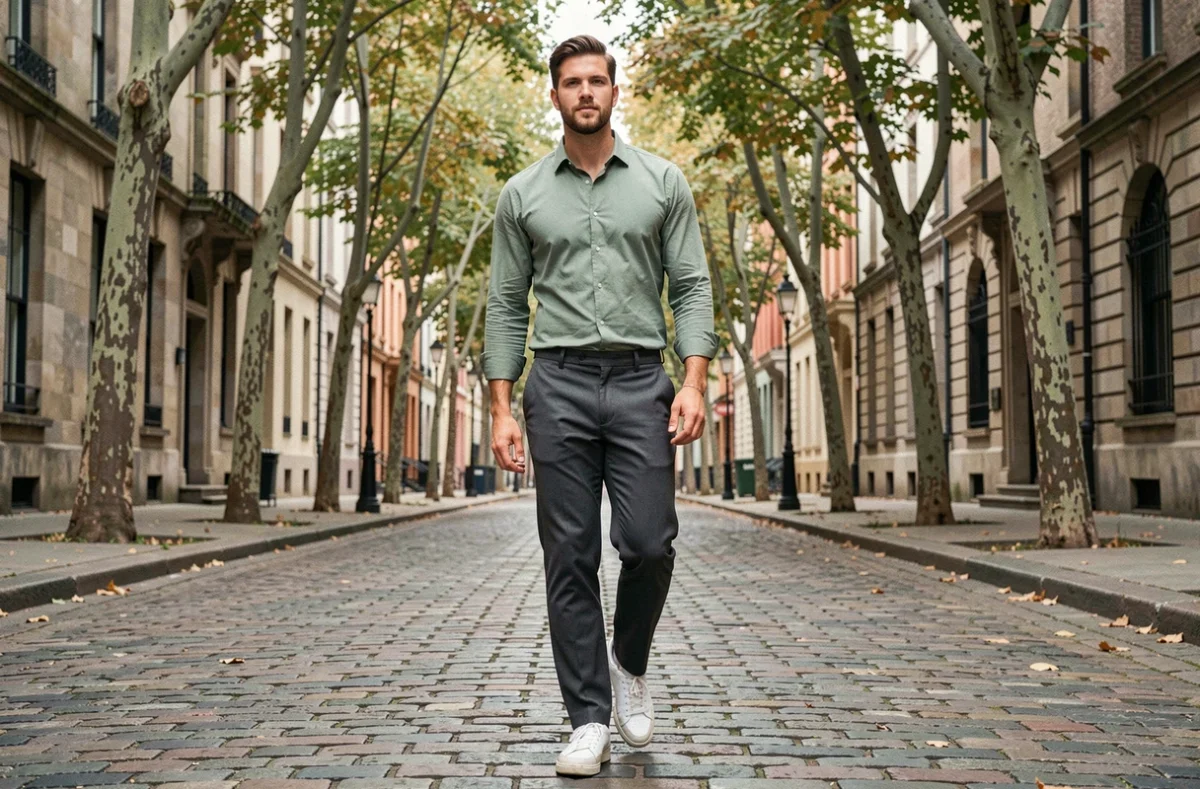
Here’s a practical example: wearing a black turtleneck under an open denim shirt creates a very different look from wearing the same turtleneck on its own with classic trousers. Layering textures adds visual depth without requiring any extra purchases.
A few principles can help you rethink your combinations:
- Pair a fitted piece on top with a looser one on the bottom, or vice versa, to create a contrast in volume
- Mix two different fabrics in the same color palette, such as corduroy and jersey in shades of brown
- Use a statement accessory—a belt, a knotted scarf or a watch—to create a focal point in an outfit made up of basics
- Roll up the sleeves of a blazer to soften an overly formal look and reveal a contrasting lining
These adjustments take just a few minutes in the morning, yet they can transform the overall impression of an outfit.
European regulations and the future of textiles: what’s changing for shoppers
The European Union has adopted rules banning the destruction of unsold textiles. This change is encouraging brands to reuse, donate or resell their stock, which increases the supply of second-hand items.
Digital product passports for textiles have also been announced at the European level, although the details have yet to be finalized. In time, every garment could have a digital identity card detailing its composition, origin and repair options.
For now, these developments are reinforcing a trend that’s already taking shape: a garment’s value is measured by how long it actually lasts, not by how new it is. Choosing durable fabrics, having clothes altered instead of throwing them away, and buying second-hand when the quality is right are all habits that bring personal style in line with a more considered approach to textiles.
A smaller, more thoughtfully curated wardrobe paradoxically offers more options than an overflowing one. Every piece has a place in several outfits, every addition is carefully considered, and the pleasure of getting dressed comes from mixing and matching rather than accumulating more.