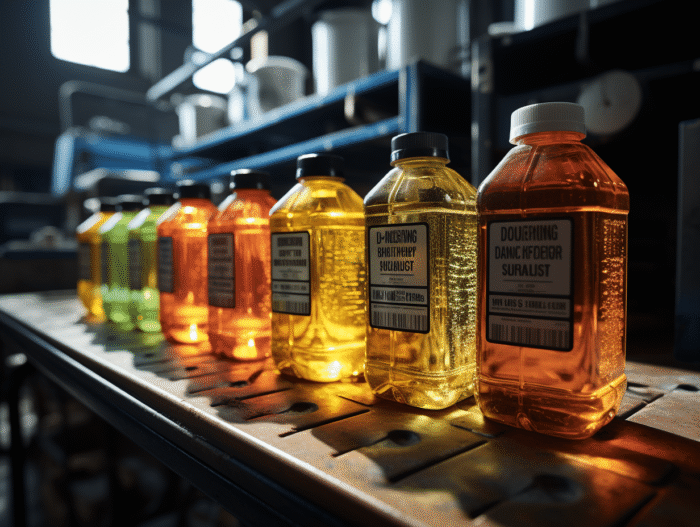
The heart of your vehicle is its engine. To keep it in top shape, you need to pay special attention to automotive fluids. Engine oil, for example, is essential for lubricating internal parts, reducing friction and wear.
But that’s not all; the coolant plays an equally vital role. It regulates the engine’s temperature, preventing overheating and potential damage. Similarly, brake fluid ensures a quick and effective response while driving. The levels and quality of these fluids should be checked regularly to ensure optimal performance.
Perform regular engine oil checks
Engine oil is the vital fluid of your vehicle. It lubricates the moving parts of the engine, minimizing friction and wear. Regular checks are essential to avoid major problems and extend the lifespan of your automobile. Here are some tips for optimal maintenance:
- Check the oil level: Use the dipstick to check the oil level. It should be between the ‘min’ and ‘max’ markers.
- Check the quality: The oil should be clean and free of particles. Black or gritty oil indicates that it needs to be replaced.
- Change the oil regularly: Follow the manufacturer’s recommendations for the frequency of oil changes. Generally, every 10,000 to 15,000 km.
Inspect the filters
Filters play a fundamental role in maintaining fluid quality:
- Oil filter: Removes unwanted particles present in the engine oil.
- Air filter: Ensures good air circulation by eliminating impurities.
- Fuel filter: Prevents dirt from entering the engine’s fuel system.
Monitor for signs of problems
Some anomalies require immediate attention. For example, brown coolant may indicate contamination or degradation of the cooling system. Similarly, unusual noises or excessive fuel consumption may signal issues related to engine oil quality.
As a responsible driver, take the time to perform these regular checks to ensure the proper functioning and safety of your vehicle. The performance and longevity of your engine depend on it.
Maintain engine cooling
The cooling system of your vehicle is essential to prevent engine overheating. It mainly relies on three components: the coolant, the radiator, and the water pump. Regular maintenance of these components is necessary to ensure their proper functioning.
Check the coolant level
Make sure the coolant level is sufficient. A low level can lead to engine overheating and cause irreversible damage. Use a gauge or check the expansion tank to monitor this level. The coolant should be clean and brightly colored. If you notice deposits or an abnormal color, replace it immediately.
Check the condition of the radiator
The radiator dissipates heat from the coolant. Inspect it regularly for any leaks or blockages. A clogged radiator reduces cooling efficiency and can cause overheating. Clean the radiator fins and ensure that the fan is working properly.
Monitor the water pump
The water pump circulates coolant through the engine. A faulty pump can lead to a cooling system failure. Be attentive to unusual noises or fluid leaks. If in doubt, have your water pump checked by a professional.
By following these recommendations, you will preserve the health of your engine and optimize its performance. Prevention is key to avoiding costly breakdowns and extending the lifespan of your vehicle.