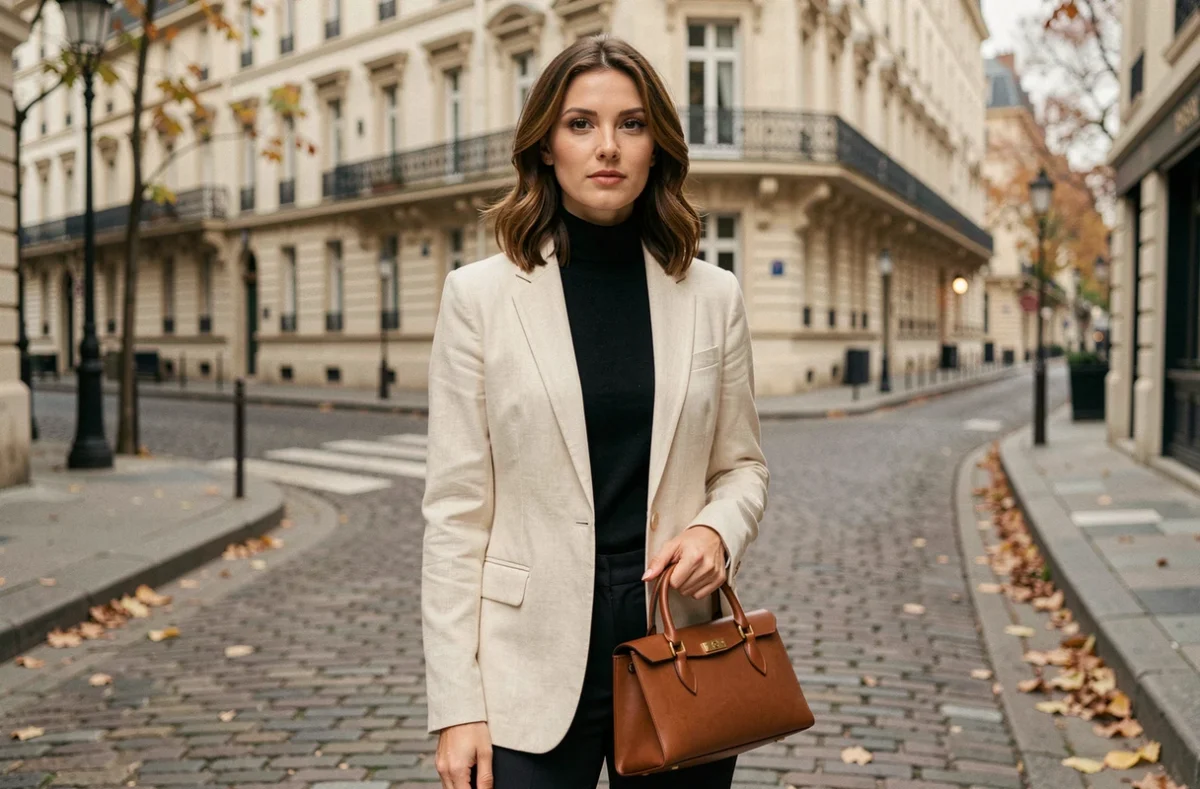
French fashion refers both to an industrial ecosystem and a set of aesthetic codes whose mutations are accelerating under the influence of regulation, traceability requirements, and a renewal of silhouettes on Parisian runways. Understanding current trends requires distinguishing between what pertains to seasonal style and what sustainably transforms the industry.
Ultra-fast fashion law: what the French regulation changes
France has adopted legislation specifically targeting ultra-fast fashion, a term that refers to platforms whose model is based on a constant renewal of catalogs at very low prices. This law is not limited to a financial penalty on the affected products.
Starting January 1, 2027, advertising for ultra-fast fashion will be prohibited. The ban will also cover direct or indirect promotion by influencers, targeting the business models of platforms like Shein and Temu. For French and European brands, this measure redefines the competitive conditions in the domestic market.
The news on the Maison de Mode website allows you to follow the concrete repercussions of this legislation on French brands and creators over the weeks.
The stakes go beyond simple taxation. By restricting the visibility of ultra-fast fashion players, the law pushes consumers toward circuits where traceability and sustainability of pieces become real selling points, not just slogans.
Textile traceability: from tier 1 suppliers to spinners and dyers
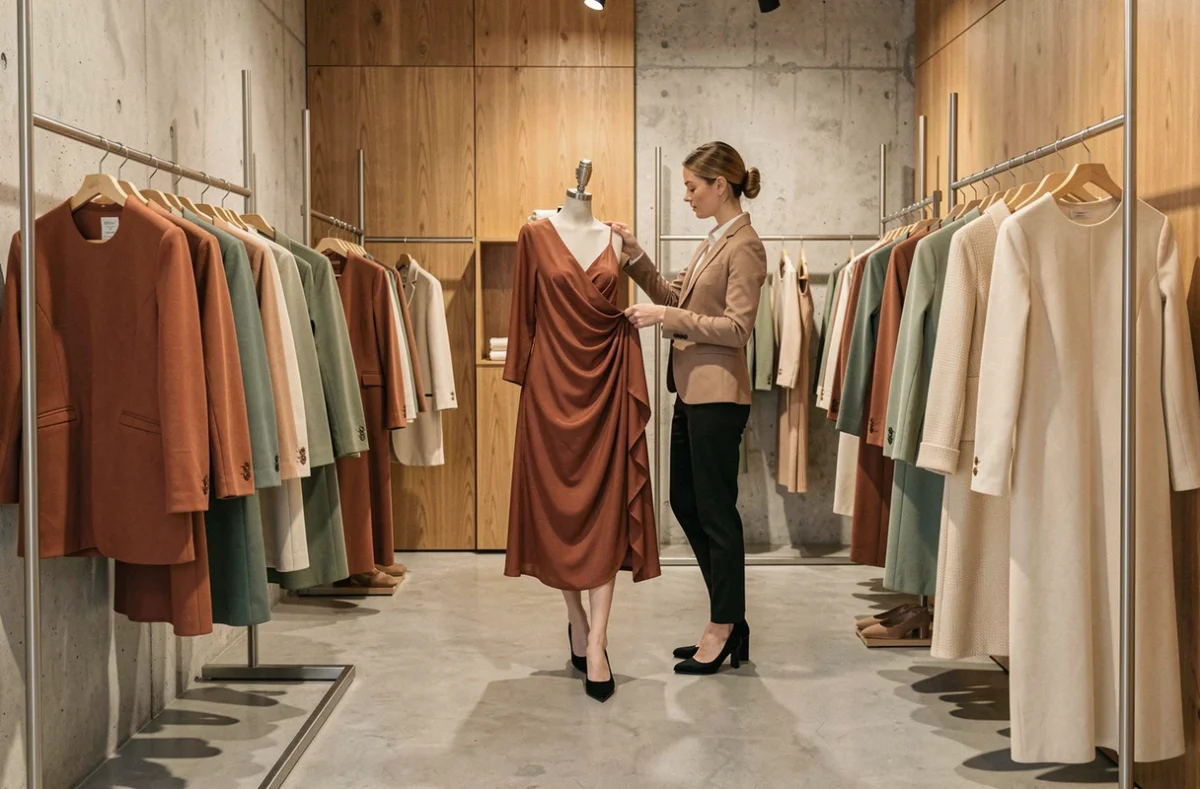
Textile traceability no longer concerns only the manufacturing factory that assembles a garment. It shifts to tier 2 and 3 suppliers: spinners, dyers, fiber producers. This change in scale represents a considerable operational challenge for brands.
Promod illustrates this evolution. The brand has mapped 591 factories in these distant tiers and published a voluntary environmental display in 2026. This type of approach remains rare, but it establishes a standard that other French brands will likely have to follow under European regulatory pressure.
The digital passport for textile products
Provided for by the European regulation on the eco-design of sustainable products, the digital passport for products will group together via a QR code the composition, origin of components, repairs made, and environmental performance of an item. For the consumer, this means being able to verify in-store what a traditional label does not show.
For brands, the investment in information systems is significant. Brands that have already mapped their supply chains in depth will start with a concrete operational advantage.
Second-hand and circular fashion: the nuances to know
The second-hand market is experiencing visible growth, driven by resale platforms and the increasing interest of consumers in discounted pieces. The temptation is to see it as a simple environmental solution.
A report from Oxfam France published in September 2026 nuances this reading. Second-hand does not automatically mean lower environmental impact. Buying used can coexist with overall overconsumption if the total volume of clothing acquired continues to increase. The rebound effect, well documented, remains a blind spot in the dominant discourse on circular fashion.
The criteria that make a difference for a second-hand purchase to have a real environmental benefit:
- It effectively replaces the purchase of a new garment, rather than adding to it
- The second-hand garment has a sufficient remaining lifespan to justify the transport and resale logistics
- The platform or sales circuit limits packaging and returns, which generate additional emissions

Paris Fashion Week: the silhouettes defining the spring-summer 2027 season
The Parisian shows for the spring-summer 2027 season confirmed several stylistic directions. At Givenchy, Sarah Burton proposed a deconstructed tailoring mixed with elements of fairy tale, featuring rounded shoulders and asymmetrical volumes. This approach to tailoring, which breaks classic lines without abandoning them, marks a turning point for the house.
Casablanca delivered a collection focused on a festive Brazil, with saturated colors and tropical patterns worn on structured cuts. Lanvin opted for a more restrained elegance, in a sober palette.
Stella McCartney used her Paris show to raise awareness about the climate crisis, with a collection inspired by the ocean. The choice of recycled materials and low-impact dyes was not just a message, but an assumed design constraint.
Style trends to remember this season
Several elements run through the collections presented in Paris:
- Deconstructed tailoring, with blazers featuring shifted shoulders and irregular pleated trousers, replaces the strict suit
- Oceanic colors (deep blue, seaweed green, foam white) constitute a recurring palette, driven by environmental discourse
- Geographical patterns, whether tropical or inspired by local textile heritage, take precedence over abstract prints
- Pieces designed for durability, with finishes that facilitate repair, appear in several houses
Paris Fashion Week remains the moment when trends in French fashion crystallize for the upcoming season. The choices made on the runways then guide commercial collections for several months.
The convergence of strict regulation, in-depth traceability, and aesthetic renewal shapes a French fashion where the style of a piece can no longer be dissociated from its origin or its lifecycle. Brands that integrate these constraints into their creative process, rather than treating them as administrative obligations, will be the ones defining the next seasons.