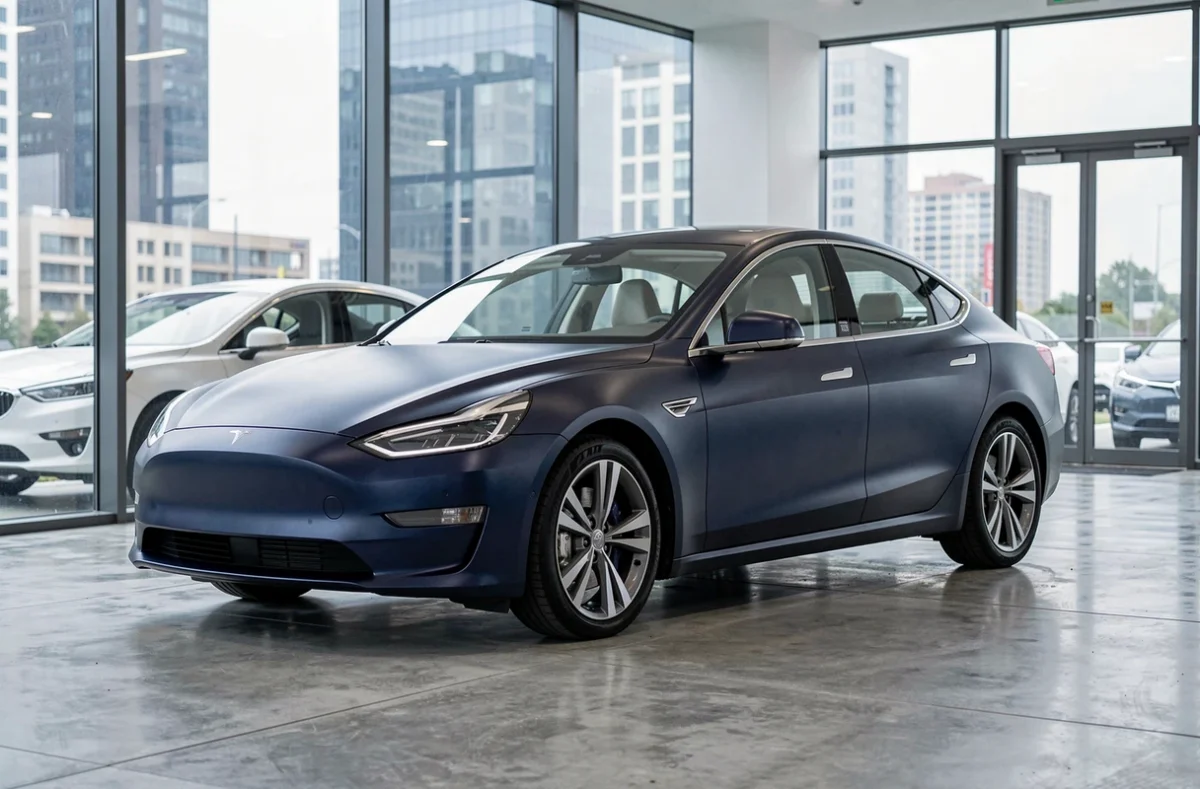
This year’s automotive trends are less visible in the catalogs of new models than in the rapid reshaping of powertrains sold in Europe. Gasoline and diesel engines now account for only about 29% of the market according to ACEA, while electrified variants (hybrids, plug-in hybrids, 100% electric) now capture the majority of registrations. This shift is redefining manufacturers’ choices, pricing strategies, and even the industrial geography of the sector.
Hybrid, plug-in hybrid, electric: what sales figures really reveal
Talking about electric vehicles as a homogeneous block masks a more nuanced reality. The classic hybrid remains the most sold electrified powertrain in Europe, far ahead of the 100% electric. The reason lies as much in the purchase price as in daily use: a hybrid does not depend on any charging station, its extra cost compared to an equivalent thermal model is moderate, and its benefit in urban consumption is immediate.
The 100% electric segment is growing rapidly, but its market share still depends heavily on the country. The disparities in public charging infrastructure between Northern and Southern Europe remain considerable. ACEA points out significant delays in Italy, Spain, Greece, Poland, the Czech Republic, and Bulgaria.
As for the plug-in hybrid, it occupies an intermediate position that appeals to company fleets and buyers who want electric use during the week without giving up long trips. It is also in this segment that Chinese brands are gaining ground: sales of plug-in hybrid vehicles produced in China surged in 2026, partially circumventing the tariffs that primarily target 100% electric models.
To keep up with the news of the models that embody these trends, discovering cars on Otopassion allows for comparing ranges by powertrain and manufacturer.
Chinese manufacturers’ offensive in the European market
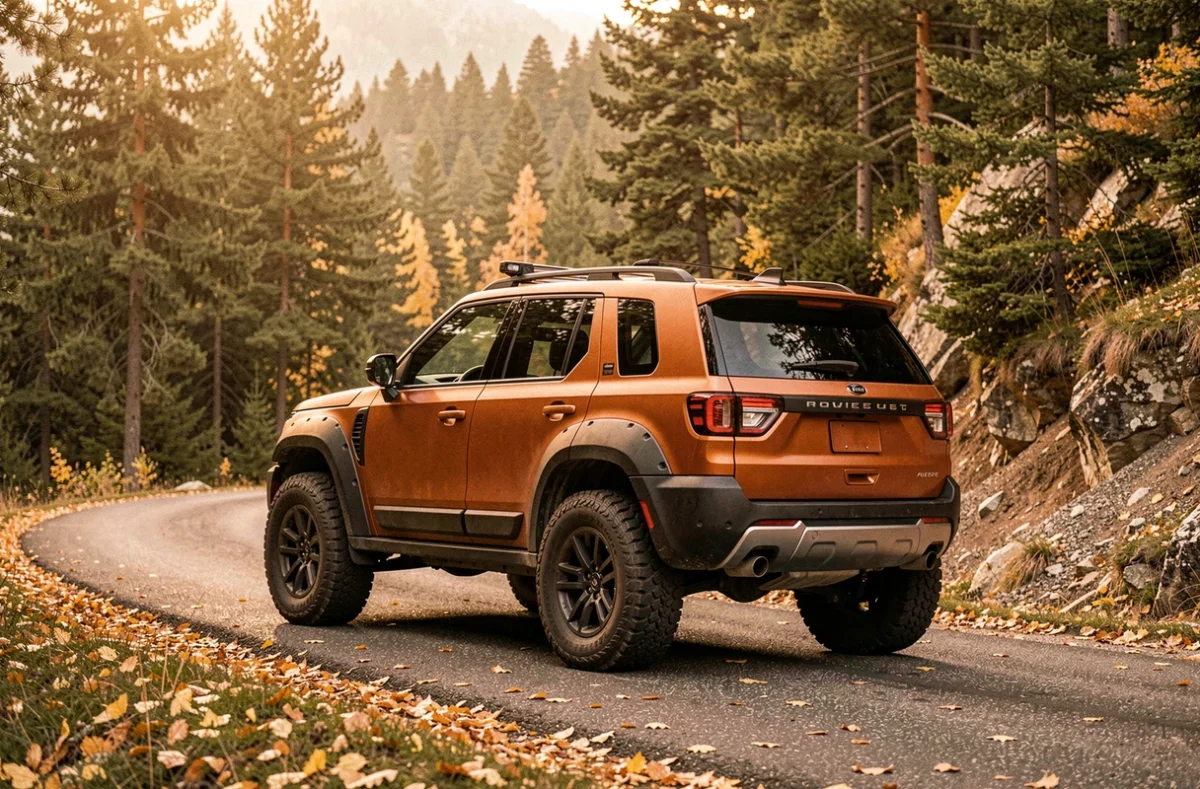
BYD, Chery, and Leapmotor are no longer content to showcase prototypes at trade shows. These brands are now deploying physical distribution networks in Europe, with dealerships opened in France, Germany, and the Benelux. Their strategy relies on aggressive pricing and wide ranges, from compact city cars to family SUVs.
The European response takes two distinct forms. On one hand, institutions have implemented tariff measures on electric vehicles manufactured in China. On the other hand, European manufacturers are accelerating the launch of entry-level electric models to occupy a niche they had long neglected.
- Citroën is preparing a descendant of the 2CV, positioned as an affordable electric city car, designed to directly compete with Chinese offerings below the average price of the segment.
- Renault is reviving the Twingo in electric form, betting on nostalgia and a compact urban size that meets the constraints of low-emission zones.
- Fiat is returning to the Paris Motor Show after several years of absence, signaling that the Stellantis group wants to demonstrate its ability to offer accessible models in the face of Asian competition.
This commercial standoff is reshuffling the cards. The average price of an electric vehicle in Europe is decreasing due to this competition, which directly benefits buyers.
Charging infrastructure: the real bottleneck of the transition
The supply of electric vehicles has never been broader. The main obstacle is no longer the manufacturers’ catalog, but the actual access to public charging. ACEA highlights in its September 2026 report that European infrastructure is progressing but remains below the targets set for 2030.
Two overlapping problems exist. The first is geographical: fast charging stations are concentrated along major highways in Northern and Western Europe, leaving entire areas poorly covered. The second is economic: public charging costs significantly more than home charging, particularly at fast charging stations. For a driver without access to a private outlet (such as a tenant in an apartment building), the economic calculus of electric vehicles becomes less favorable.
This reality partly explains the persistent success of the simple hybrid: it offers fuel savings without any dependence on infrastructure. It also explains why some manufacturers like Alfa Romeo or Abarth are revising their ambitions for a 100% electric range, preferring to maintain a hybrid offering until the charging network reaches sufficient density.
Paris Motor Show 2026: what the show says about the state of the market
The Paris Motor Show is taking place from October 13 to 18, 2026, at Paris Expo Porte de Versailles. This edition confirms the resurgence of European shows after the lean years linked to the health crisis. Mercedes, Fiat, and Volvo are making their return, while BMW and Toyota are among the notable absentees.
The massive presence of Chinese brands (BYD, Xpeng, Leapmotor, Chery) in the aisles of the show illustrates the shift described above. The Paris Motor Show is becoming a battleground between European and Asian manufacturers, where previous editions were dominated by historic brands.
- Premium manufacturers (Ferrari, Porsche, Lamborghini, Bentley) remain absent, preferring events like Top Marques in Monaco to reach their target clientele.
- European mainstream brands are focusing their announcements on accessible electric city cars and SUVs, the segment where the battle with Chinese brands is taking place.
- The plug-in hybrid occupies an increasing space on the stands, a sign that all-electric is no longer the only message conveyed by manufacturers.
The gap between the plethora of electric models on display at the shows and the actual composition of the European vehicle fleet remains considerable. The majority of vehicles on the road still run on older thermal powertrains.
Renewing this aging fleet represents a challenge at least as structural as launching new models. This year’s automotive trends may be summed up in this tension: an industry accelerating its transformation, facing a real market that absorbs change at its own pace.