The autumn-winter 2026 season is not just about a parade of new cuts or seasonal colors. The European regulatory framework is evolving, shopping habits are shifting towards second-hand, and French law now regulates the practices of ultra-fast fashion. These changes are concretely altering what brands offer on shelves and what consumers can buy this season.
Textile Regulation in Europe: What Changes for Autumn-Winter 2026 Fashion
Since July 19, 2026, large European companies are no longer allowed to destroy their unsold new textiles. The European regulation ESPR (Regulation (EU) 2024/1781) mandates a shift towards reuse, donation, repair, or recycling. Affected companies must also publicly disclose certain information about the volumes destroyed.
At the same time, the digital product passport (DPP) is progressing. The first delegated acts from the European Commission stipulate that each garment sold in the EU will eventually carry a digital identity card, tracing its composition, origin, and manufacturing conditions. Field reports vary on this point: some brands are already testing DPP prototypes, while others believe the timeline is too tight for full compliance.
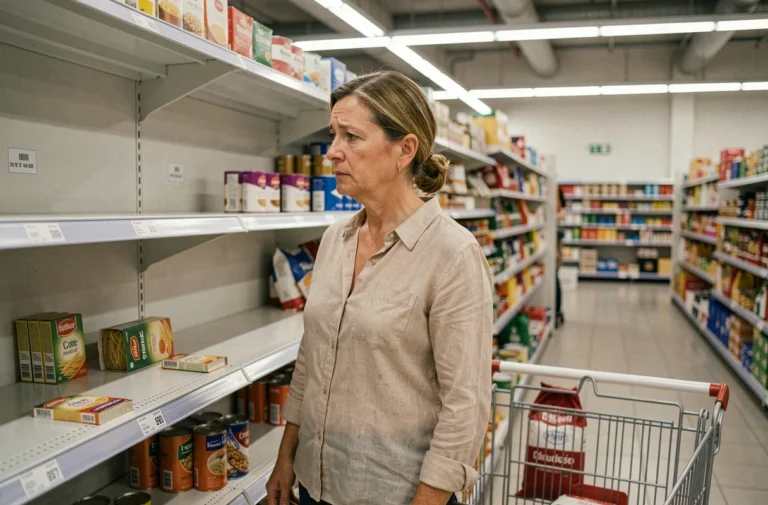
For buyers, the direct consequence is an effect on the in-store offer. End-of-season collections are likely to become scarcer, as brands can no longer clear their stocks through destruction. Sales and clearances could paradoxically become more frequent, as retailers seek to avoid the accumulation of unsold items. The fashion trends of the season can also be observed through publications available on carnet-de-tendances.fr, which document these changes in the textile market.

Anti-Fast Fashion Law in France: Restrictions on Ultra-Fast Fashion
France has adopted legislative measures specifically targeting the commercial practices of ultra-fast fashion. This text does not aim at all of fast fashion, but rather at the most aggressive mechanisms: weekly collection renewals, rock-bottom prices made possible by massive outsourcing, and intensive advertising on social media.
The framework includes financial penalties and enhanced advertising restrictions. Platforms selling these very low-cost products face new transparency obligations. The available data does not yet allow for measuring the actual impact on imported volumes, but advertising restrictions limit the visibility of these brands among French consumers.
For everyday style, this evolution pushes brands positioned between luxury and ultra-discount to claim more traceable manufacturing. The marketing vocabulary of the season now includes mentions of sustainability, European production, or recycled fibers, without consumers always being able to verify the actual scope of these claims.
Second-Hand Textile: A Growing Market with Mixed Outcomes
Second-hand has increased in volume between 2024 and 2025 and now represents a significant share of textile purchases in France. The phenomenon goes beyond simple economic reflex: buying second-hand clothing has become a claimed style gesture, especially for vintage pieces or sold-out collaborations.
However, a study by RDC Environnement relayed by CMCM shows that the carbon footprint varies greatly depending on the resale channel. Three circuits coexist with different impacts:
- Solidarity shops (like Oxfam or Emmaüs) have a favorable balance, as logistics remain local and margins fund social projects.
- Commercial thrift stores, booming in city centers, add a sorting and showcasing step that slightly increases the footprint but maintain a short circuit.
- Online platforms generate individual shipments, often packaged and shipped over long distances, which reduces the environmental gain compared to a local new purchase.
The choice of purchase channel weighs as much as the choice of the garment itself. An autumn look built around second-hand pieces bought in a local thrift store does not have the same impact as a wardrobe reconstituted piece by piece via individual parcels.
Autumn 2026 Fashion Trends: The Pieces and Colors in Circulation
On the wardrobe side, the spring-summer 2026 shows (which influence back-to-school purchases by cascading effect) highlighted leather, short cuts on the legs, and red in all its variations. Barrel jeans, long fluid dresses, and structured wide trousers are returning in the season’s trend analyses.
Leather remains a strong marker of autumn 2026, worn as a short jacket, skirt, or accessory (bag, belt). The colors range between natural tones (butter, olive, terracotta) and bright accents (red, vibrant pink, electric blue).
Floral prints, usually confined to spring, extend their presence in autumn collections. The poetcore style, which blends fluid fabrics and light layering, influences the feminine silhouette of the season. The midi skirt worn with a thin belt and an oversized sweater summarizes quite well the balance between volume and structure that brands are offering this year.

What the Regulatory Framework Changes for the Seasonal Look
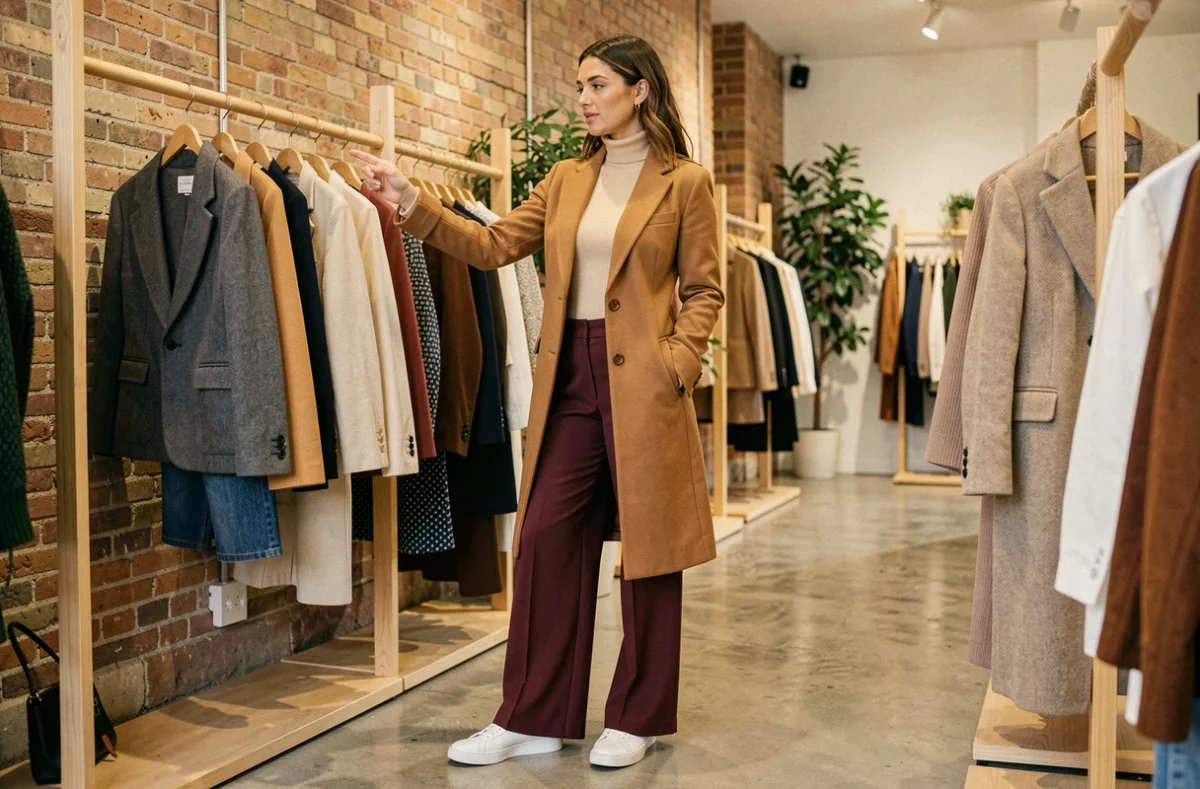
The ban on the destruction of unsold items and the restrictions on ultra-fast fashion indirectly modify the available offer. Collections are becoming more limited in the number of references. Brands are betting more on pieces that can be worn across several seasons, favoring well-cut basics (blazer, straight trousers, trench) at the expense of pieces heavily marked by a fleeting micro-trend.
This season’s fashion lifestyle is shaped as much by market constraints as by aesthetic choices. A coherent autumn-winter 2026 wardrobe incorporates this reality: fewer pieces, better chosen, with attention to the purchasing circuit. The most sustainable trend of the season might well be the one that is not visible on a runway, but in the way each garment arrives in the closet.