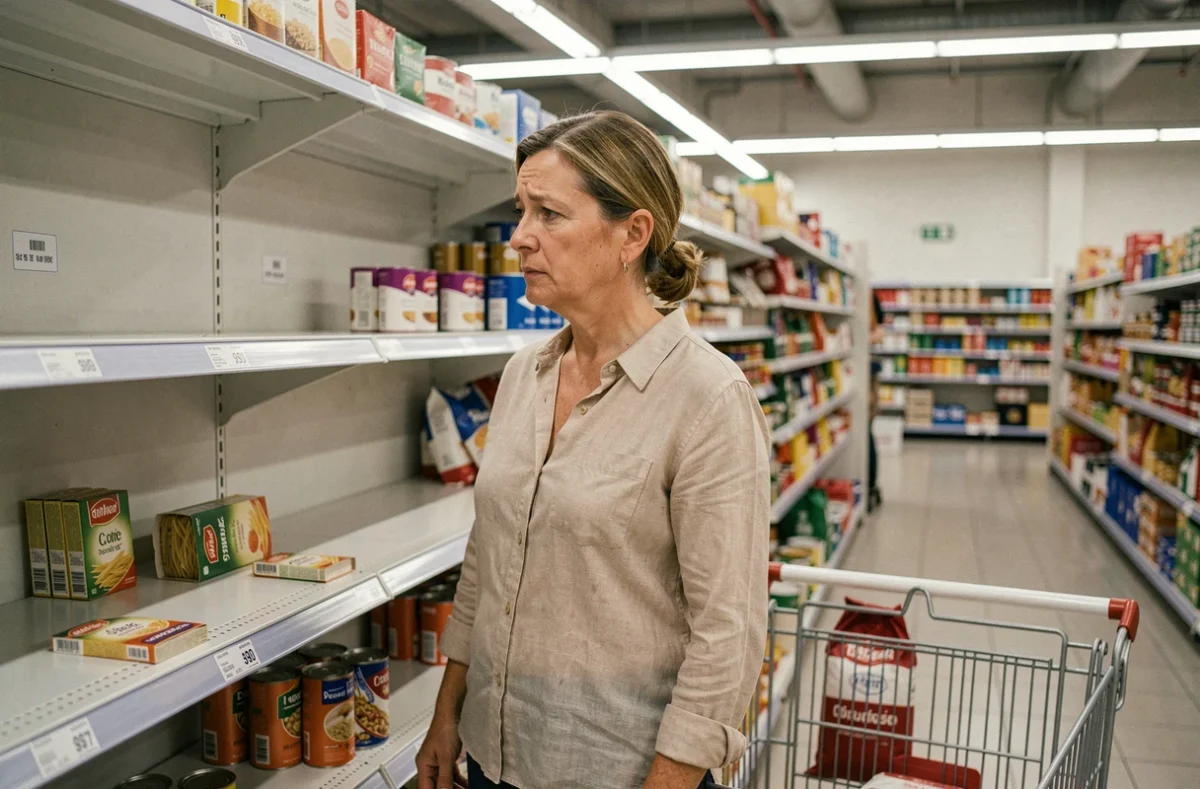
The drought of summer 2026 has brought back to the forefront a topic that France thought was reserved for developing countries: food supply tensions. Agricultural yields plummeting across several sectors, combined with a just-in-time logistics system, paint a picture where some products could temporarily disappear from shelves or see their prices become prohibitive.
Processing potatoes: the fries and chips sector under pressure
Consumer articles readily talk about shortages of fresh fruits and vegetables. They overlook a more fragile link: potatoes intended for industrial processing. Frozen fries, chips, flaked mashed potatoes, and prepared dishes depend on specific varieties, grown on irrigated plots whose yields have significantly declined after the scorching summer.
France is one of the leading European exporters of processing potatoes. When national production declines, manufacturers find themselves in direct competition with Belgian and Dutch buyers in an already tight market. The tensions surrounding food shortages in France primarily affect these processed products, well before fresh potatoes sold in bulk.
This phenomenon is even harder to anticipate as consumers do not spontaneously make the connection between a summer drought and the bag of chips missing from the shelf three months later.
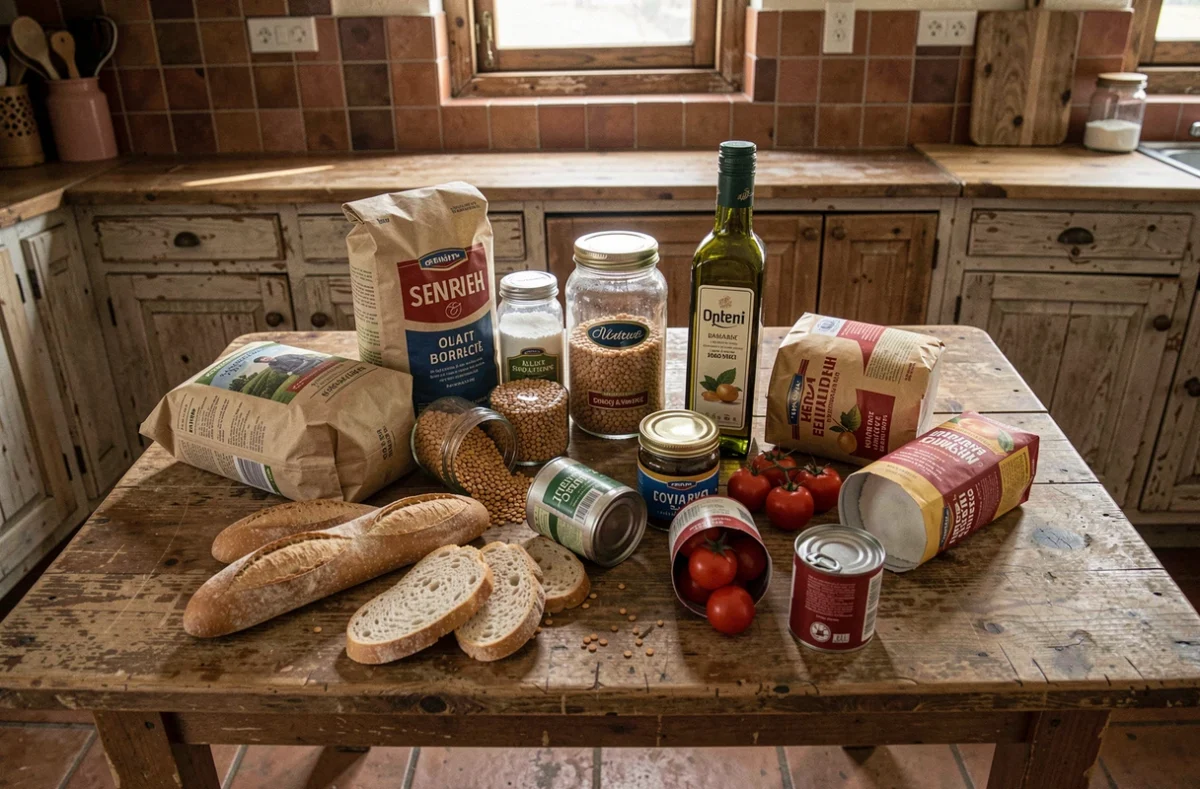
Bovine and sheep meat: herd reduction changes the game
The media reflex is to link rising meat prices to the cost of animal feed. The current problem is deeper. The massive forage deficits observed in large livestock areas are forcing farmers to cull part of their herds prematurely due to an inability to feed the animals.
This reduction creates a paradoxical effect. In the short term, the supply of meat increases (more animals sent to slaughter). In the medium term, the structural reduction in the number of heads leads to shortages in certain categories, particularly beef and lamb.
The available data does not yet allow for precise quantification of the extent of this herd reduction on a national scale. However, agricultural professional sources report critical situations in several extensive farming departments, where pastures simply did not regrow after the summer.
Why farmers are not quickly rebuilding their herds
Rebuilding a cattle herd takes several years. A beef cow produces only one calf per year, and the animal does not reach slaughter weight until at least twenty months. Each cow slaughtered today represents a production deficit for two to three years. This time lag explains why meat could be lacking long after the climatic episode has ended.
Fresh vegetables: declining yields across several crops
Several vegetable productions have suffered significant losses after summer 2026. Tomatoes and salads are experiencing localized shortages, with prices reaching unusual levels in wholesale markets.
The question is no longer whether prices will rise, but which products could temporarily disappear from the most strained distribution channels.
The just-in-time problem in large retail
The French food logistics system operates on a just-in-time basis. The warehouses of major retailers generally stock only a few days’ worth of consumption. A 48-hour delivery delay is enough to empty a shelf of fresh products. This model, optimized to reduce costs, amplifies tensions as soon as production declines, even moderately.
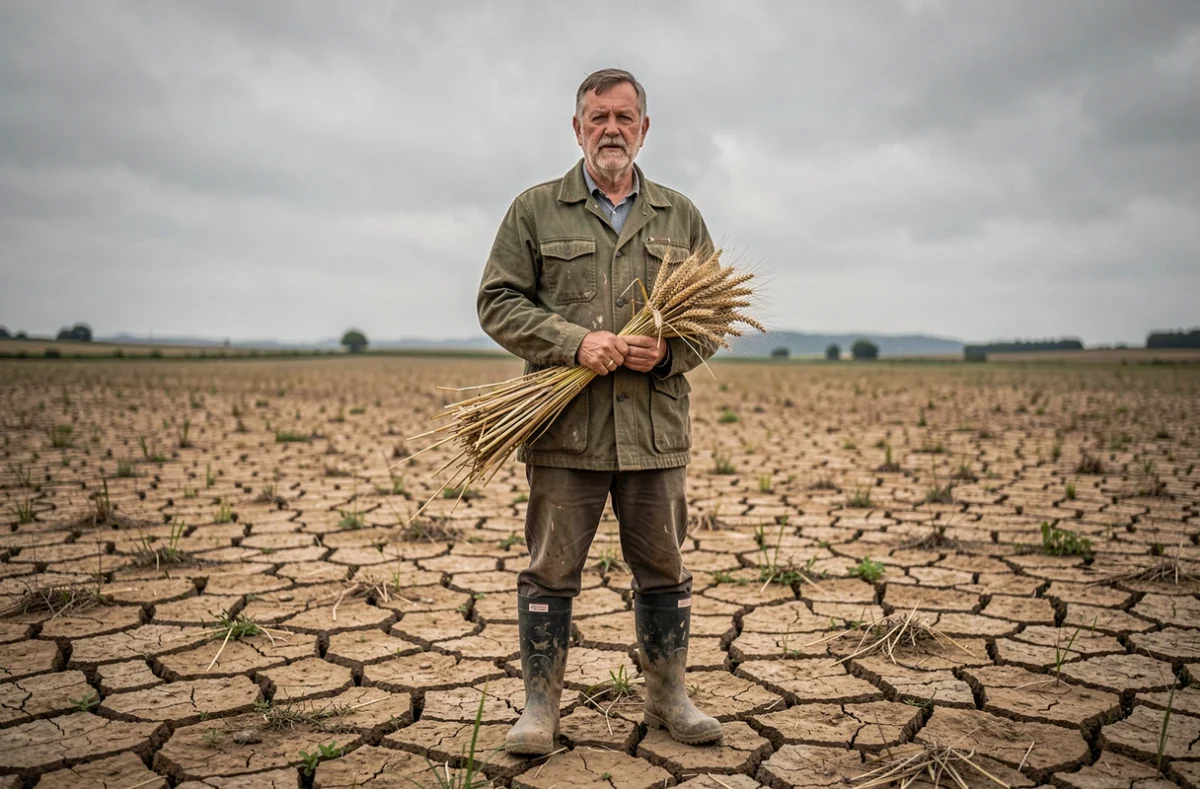
Coffee, oil, and imported products: the other front of tensions
Disruptions are not limited to French productions. Several imported goods are facing combined pressures related to climate, transportation costs, and geopolitical tensions.
- Coffee is among the products whose global prices have risen sharply in recent years, due to a combination of droughts in Brazil and Vietnam.
- Some vegetable oils remain subject to price volatility that can lead to industrial adjustments (substituting one oil for another), altering the composition of products on the shelf.
- The grains used in animal feed indirectly influence the prices of meat, eggs, and dairy products, creating a chain of tensions that is hard for consumers to see.
The peculiarity of these imported products is that France has no direct leverage over their availability. Adjustments are made on global markets, where the relative purchasing power of European buyers competes with Asian demand.
Which products to watch in supermarkets in the coming months
The most likely scenario is not one of completely empty shelves, but rather a succession of localized tensions on specific categories. Processed potato products, French-origin beef, seasonal fresh vegetables, and certain imported products like coffee are concentrating the clearest warning signals.
Field reports vary on the exact extent of the upcoming shortages. What is not up for debate is the mechanism: significantly declining agricultural yields combined with a logistics system without buffer stock create the conditions for localized and repeated episodes of shortages. The question for consumers is not to build a food bunker, but to understand why a particular product is missing on a given day, and for how long.