Johann and Siglinde Sinner are not public figures. Their son Jannik, the world number one, nonetheless attracts constant curiosity about their roots. The problem: most French-language articles convey inaccuracies about their cultural identity, their profession, and even the father’s name. Clarifying these elements helps to understand what has truly shaped the player’s journey.
Trilingualism of South Tyrol and the Tyrolean identity of the Sinners
Reducing Jannik Sinner’s parents to “Italians of German origin” is a misleading simplification. The family lives in South Tyrol (Südtirol), an autonomous province of Trentino where three languages coexist: Italian, German, and Ladin. The Sinner household is German-speaking, rooted in a local Tyrolean identity that should not be confused with German nationality.
This distinction is not trivial. It explains why Jannik Sinner speaks fluently in German, Italian, and English, with a noticeable Germanic accent in his Italian. The linguistic framework of South Tyrol produces a rare native bilingualism in professional sports, often confused with a dual nationality that does not exist here.
To delve into the origin and nationality of Jannik Sinner’s parents, one must return to this provincial reality: the family is Italian by passport, Tyrolean by culture, and German-speaking by mother tongue. No documented foreign ancestry, contrary to what some portrayals suggest.
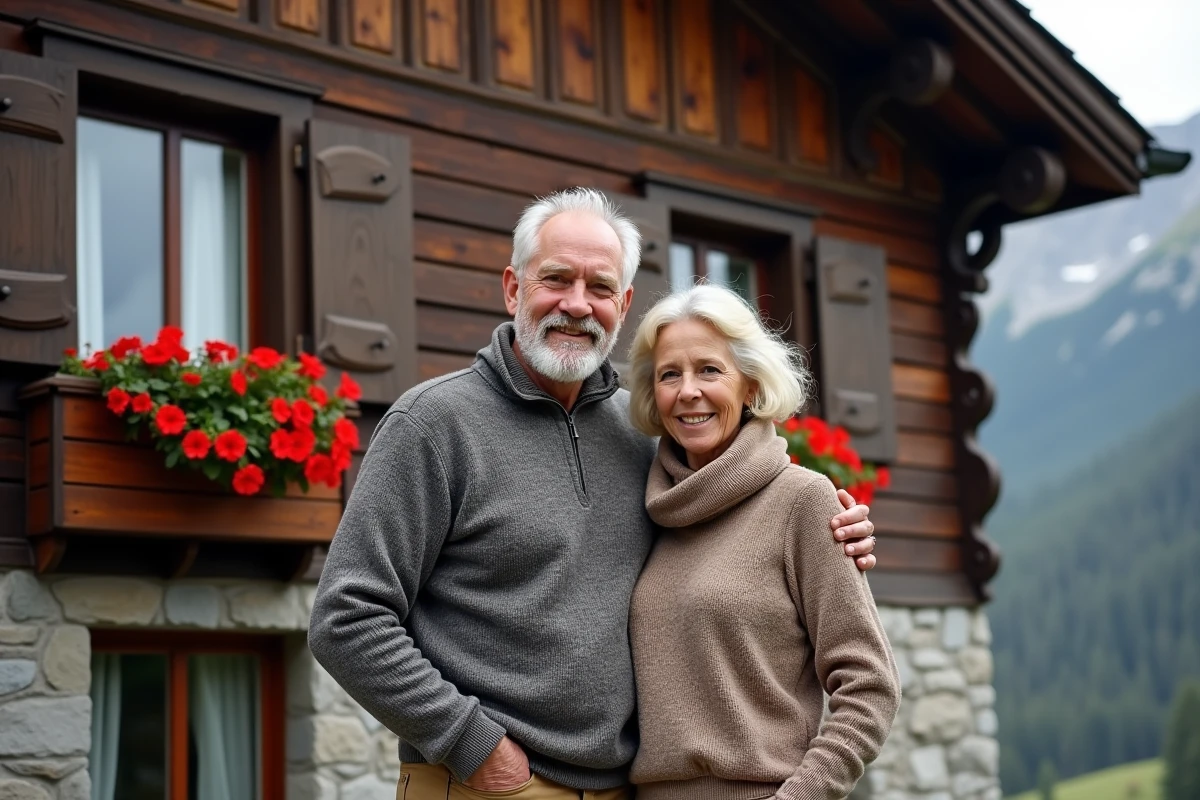
Johann Sinner: a name systematically distorted in French
French-language secondary sources regularly write “Jonnah” or “Jonnah Sinner” to refer to Jannik’s father. This spelling does not exist in any reliable biographical source. The father’s name is Johann, sometimes cited as Hanspeter, two classic German-speaking names from Südtirol.
The distortion reveals a broader problem. Many French-language articles about Sinner’s parents copy from each other without tracing back to Italian or English sources. The result: factual errors propagate and end up seeming established.
Siglinde Sinner: a name that confirms cultural roots
The mother has a name of Germanic origin, common in Tyrolean and Bavarian communities. Siglinde Sinner has never held a public position nor sought any media visibility. This voluntary withdrawal of the parents throughout Jannik’s career is a consistent trait, documented since the player’s early ATP tournaments.
Parents’ profession: employees in hospitality, not owners
Another recurring error in the French press: presenting Johann and Siglinde as owners of a mountain lodge or hotel. Reference biographical sources indicate the opposite. Both parents work as employees in a hotel complex catering to skiers and hikers in the Dolomites.
This nuance changes the social picture. The Sinner family belongs to the salaried middle classes of alpine tourism, not to the small hotel bourgeoisie. It is an environment where hours are long, seasons are intense, and financing a high-level sports career for a child represents a real financial effort.
What this implies for Jannik’s journey
When Jannik left the family home as a teenager to join a training center far from Südtirol, his parents did not have a comfortable family capital. This decision implies a disproportionate investment relative to their income, which sheds light on the player’s recurring discourse on gratitude towards his family.
- Johann and Siglinde are employees, not entrepreneurs: their socio-professional status is that of employees in the alpine tourism sector
- Jannik’s departure to a training center represented a significant financial burden for a household with average income
- No reliable source mentions any real estate or hotel property owned by the family
Italian nationality of Sinner: why the question keeps coming up
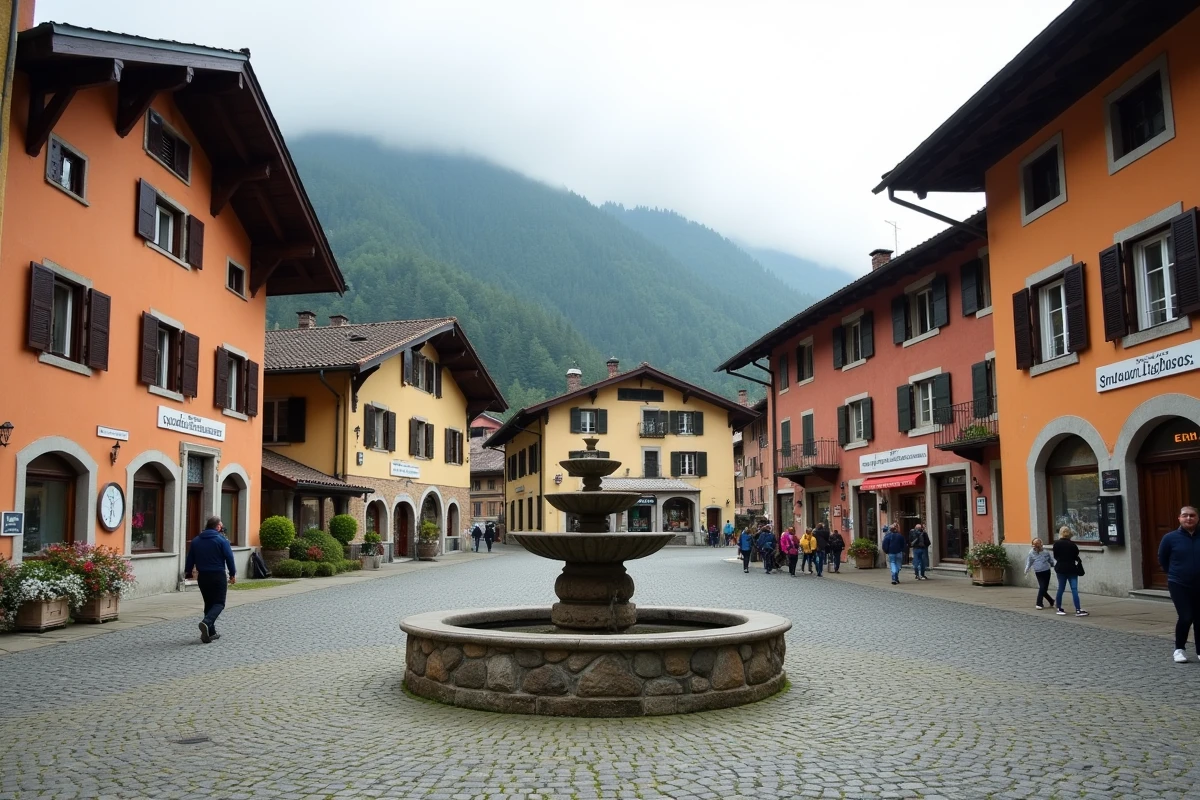
Jannik Sinner is of Italian nationality, without legal ambiguity. The confusion arises from his Germanic-sounding name, his German mother tongue, and his hometown, San Candido (Innichen in German), located a few kilometers from the Austrian border.
South Tyrol was annexed to Italy after World War I. Its German-speaking inhabitants have been Italian citizens for over a century. The province enjoys an autonomy status that protects the linguistic rights of the German-speaking minority but does not create any distinct nationality. Sinner represents Italy in the Davis Cup without any administrative issues.
A comparable case in professional tennis
Stan Wawrinka, born in the canton of Vaud in Switzerland, has German-speaking and Czech family origins while representing French-speaking Switzerland. The overlap of a local cultural identity and a state nationality is not unique to Sinner, but it generates the same repetitive questions in mainstream media.
Alpine skiing and sports education in Südtirol
Johann Sinner put his son on skis from a young age, in line with local practices in South Tyrol. Jannik reached a competitive level in alpine skiing before switching to tennis. His father also introduced him to tennis without ever forcing a choice between the two disciplines.
This non-directive approach is documented by several testimonies from the player himself. The parents allowed Jannik to decide on his sports specialization. When he chose tennis, they did not attend his first Grand Slam title, a detail that made headlines in the sports press and illustrates their constant stance: supporting without exposing themselves.
- Jannik competed at a high level in alpine skiing before turning to tennis
- The father introduced his children to both disciplines without imposing a choice
- The parents rarely attend tournaments, including Grand Slam finals
The media absence of Johann and Siglinde Sinner is neither an accident nor a communication strategy. It reflects a cultural trait of rural South Tyrol, where family discretion remains a cardinal value. This stance stands out in an ATP circuit where players’ relatives often occupy the stands and interviews. For Sinner, the contrast reinforces an image of autonomy that is an integral part of his sports brand.