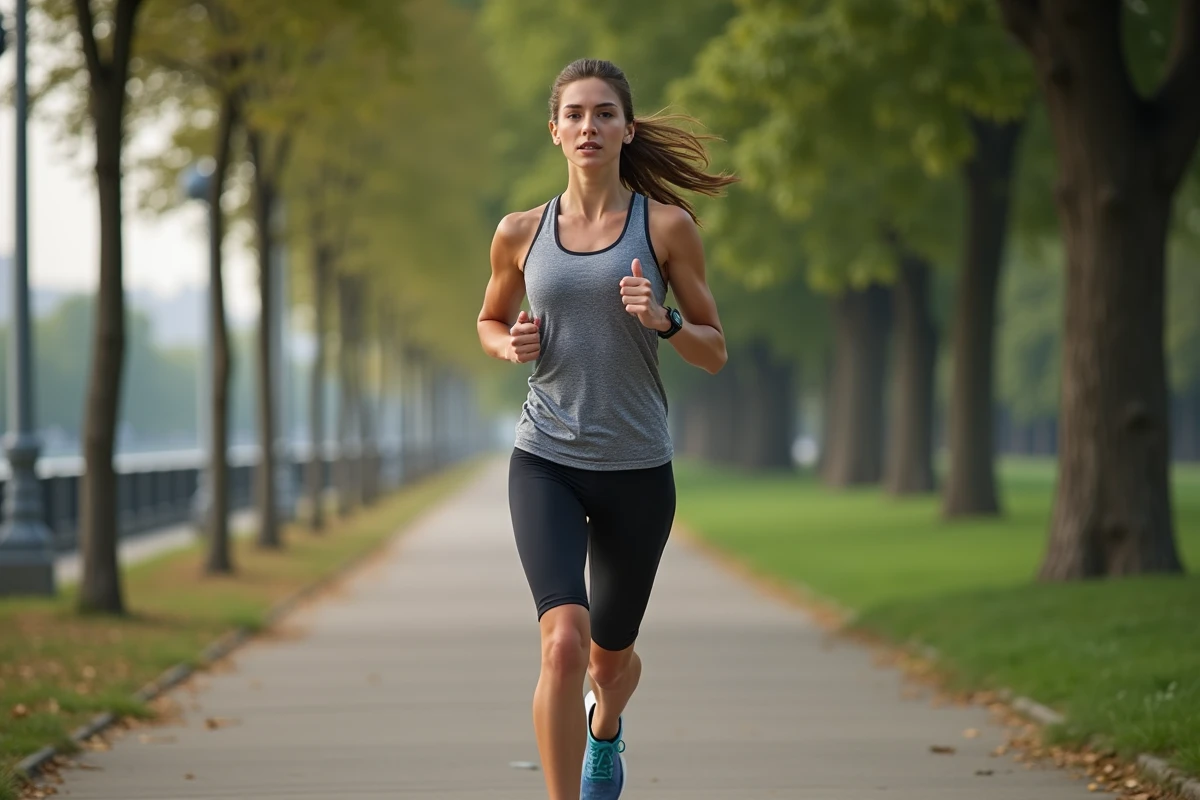
In France, only 19% of adult women report engaging in regular physical activity that meets their specific needs, according to the National Observatory of Physical Activity and Sedentary Behavior. However, dedicated offerings are experiencing rapid growth, with a surge in personalized programs designed to meet the expectations and constraints of the female audience.
FizzUp, a major player in digital coaching, offers a diverse range of programs, each focused on specific goals and a tailored approach. This dynamic is accompanied by an evolution of expectations, where effectiveness, personalized follow-up, and flexibility become essential criteria.
Understanding the specific needs and challenges of women in sports
The numbers depict a reality that is hard to ignore: 38% of women in France report being inactive, compared to 30% of men. Sports dropout rates hit hard among young people: nearly 70% of teenage girls stop playing sports before the age of 17. The reasons are plentiful: inadequate equipment, persistent stereotypes, overwhelming mental load. At every stage—puberty, motherhood, professional life—the risk of dropping out looms.
On a physiological level, everything is nuanced. The menstrual cycle influences performance, available energy, and recovery. During the follicular phase, strength increases, and efficiency too. At the time of ovulation, caution is necessary: the risk of joint injury rises. The luteal phase, on the other hand, is associated with fatigue and decreased motivation. Estrogens, as a bonus, help limit inflammation after exercise, providing a significant advantage for endurance and recovery. Hormonal contraception, often used, can obscure signals and mask certain indicators like those of the RED-S syndrome.
Here are the points of vigilance to keep in mind:
- Iron-deficiency anemia: more common in women, it directly affects energy levels and mental balance.
- Bone density: more fragile, it increases the risk of osteoporosis.
- Autoimmune diseases: the proportion of affected women is significantly higher.
Access to sports comes with real social stakes. Cardiovascular benefits are greater for women, yet participation remains hindered by mental load, motherhood, and social pressure. But every new habit, every piece of advice like those shared on https://www.carnetdesportive.com/, paves the way towards a more balanced lifestyle, better suited to the female body and each individual journey.
What FizzUp programs can meet your goals and pace?
Expectations vary, and so do the responses. FizzUp offers approaches that take into account diverse goals: strength training, cardio, mobility, yoga. Each of these disciplines engages different capabilities and respects female physiology. The aim remains the same: to enhance physical fitness, limit injuries, and consider variations in the cycle, fatigue, or postpartum recovery.
Short formats and full-body sessions fit into already busy days. HIIT, for example, targets those who lack time without sacrificing effectiveness. Combining cardio and strength training focuses on endurance, weight loss, and bone health, a significant lever against osteoporosis. Muscle work, far from adding bulk, protects against iron-deficiency anemia and improves overall power.
To structure progression, several avenues deserve exploration:
- Progressive sports challenges: adapt the program to your level, alternate intensities, and heed your body’s signals according to the cycle phase.
- Yoga: integrate these practices to gain mobility, reduce stress, and strengthen deeply.
- Personalized coaching: tailored support allows for refining technique, avoiding injuries, and maintaining long-term motivation.
Equipment should not be overlooked: a technical sports bra, compression socks or sleeves, all contribute to improving performance and recovery. Nutrition must also keep pace: a breakfast rich in protein, calcium, iron, and folates is essential for preserving bone density and avoiding lurking deficiencies.
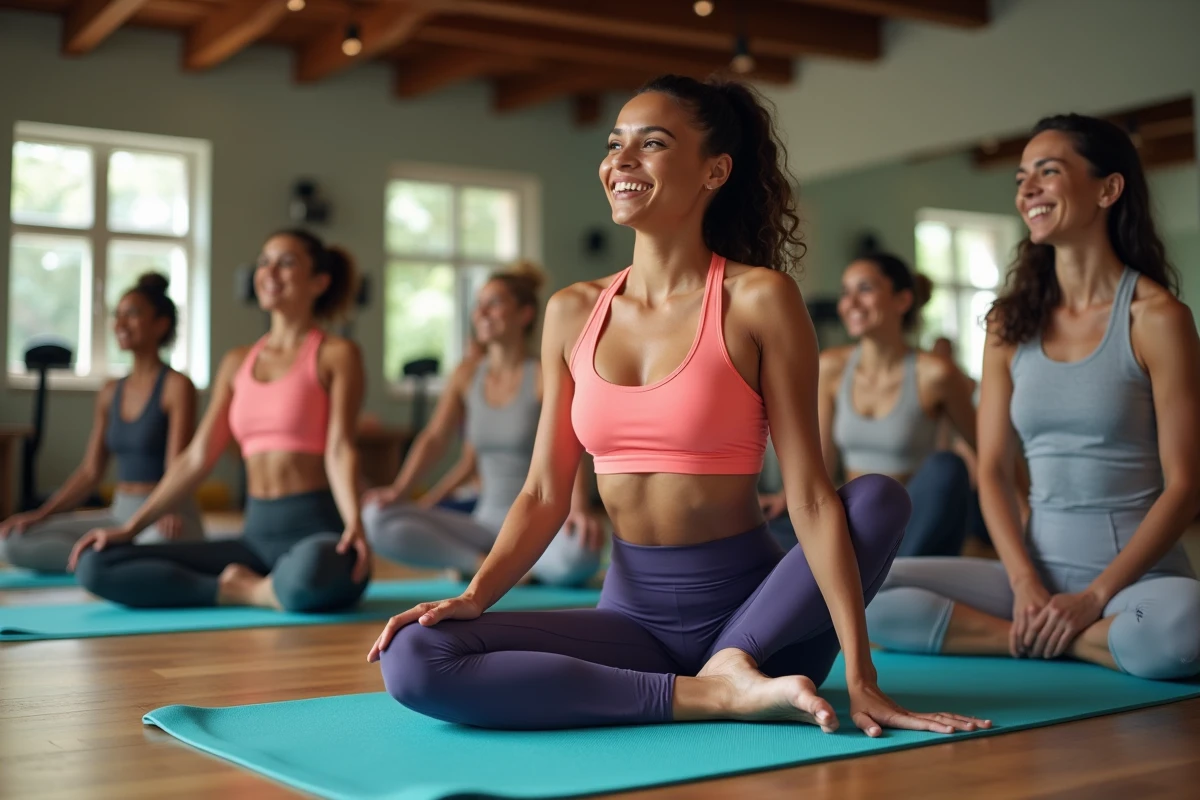
Inspiring journeys: how to personalize your progression and stay motivated daily
What sustains motivation are stories, lived examples, far from clichés. Today’s athletes—triathletes, trail runners, climbers, hikers—progress at their own pace, with their own stories, constraints, and bodies. Émilie Rimbert, in Train Like a Woman, highlights the personalization of training based on hormonal cycles. Rather than enduring one’s cycle, it can be used to maximize performance or recovery.
Stacy Sims and Juliana Antero, recognized researchers, have shown that listening to one’s feelings and adjusting loads according to the cycle phase is key to staying on track, reducing dropouts, and boosting self-confidence. On the nutrition side, Amandine Blachon, author of What to Eat to Progress and Perform as an Athlete?, emphasizes the importance of adapting one’s diet to each life phase to stay fit and avoid deficiencies.
Here’s how to draw inspiration and move forward concretely:
- Look at the journeys of Sophie Lavaud, Catherine Destivelle, Anaïs Quemener: each has found her path, balancing constraints, equilibrium, and self-overcoming.
- Lean on the collective: exchanging, sharing, surrounding oneself with other women contributes to maintaining solid motivation over time.
- Set realistic goals, whether it’s a gentle return or an ambitious challenge: each step is a victory in itself on the path to progress.
At the intersection of individual stories and societal changes, women’s sports practice is shaping new horizons. Owning one’s journey, adjusting goals, drawing inspiration from others: this is how to view each session as a step towards a stronger, freer version of oneself.