The choice of flowers for a garden is no longer based solely on aesthetic preferences. Repeated heat episodes, irregular rainfall, and declining pollinator populations have changed the selection criteria. Adapting your plantings to these constraints requires considering several parameters even before visiting a garden center: soil type, exposure, drought resistance, and the ability to nourish insects.
Garden Flowers and Climate Resilience: A Central Criterion
Recent horticultural guides place resistance to weather extremes on par with the color or shape of the flower. A bed composed solely of water-hungry varieties becomes a problem after the first two weeks without rain.
Choosing plants capable of withstanding several days of drought followed by a violent storm requires attention to their root system as much as to their flowering. Deep-rooted species (gaura, shrub sage, yarrow) tolerate water fluctuations better than annuals with shallow roots.
This criterion of climate resilience does not mean giving up on diversity. It encourages mixing robust perennials with a few more delicate annuals, reserving the best-watered or most sheltered spots for the latter. A complete catalog allows sorting according to these criteria, and the flowers on the Conseil au Jardin website conveniently group sheets classified by soil type and exposure.
Soil, Exposure, and Flowering: The Three Filters Before Purchase
Before choosing a variety, three checks condition the success of the bed. Neglecting them is akin to planting blindly.
Soil Type
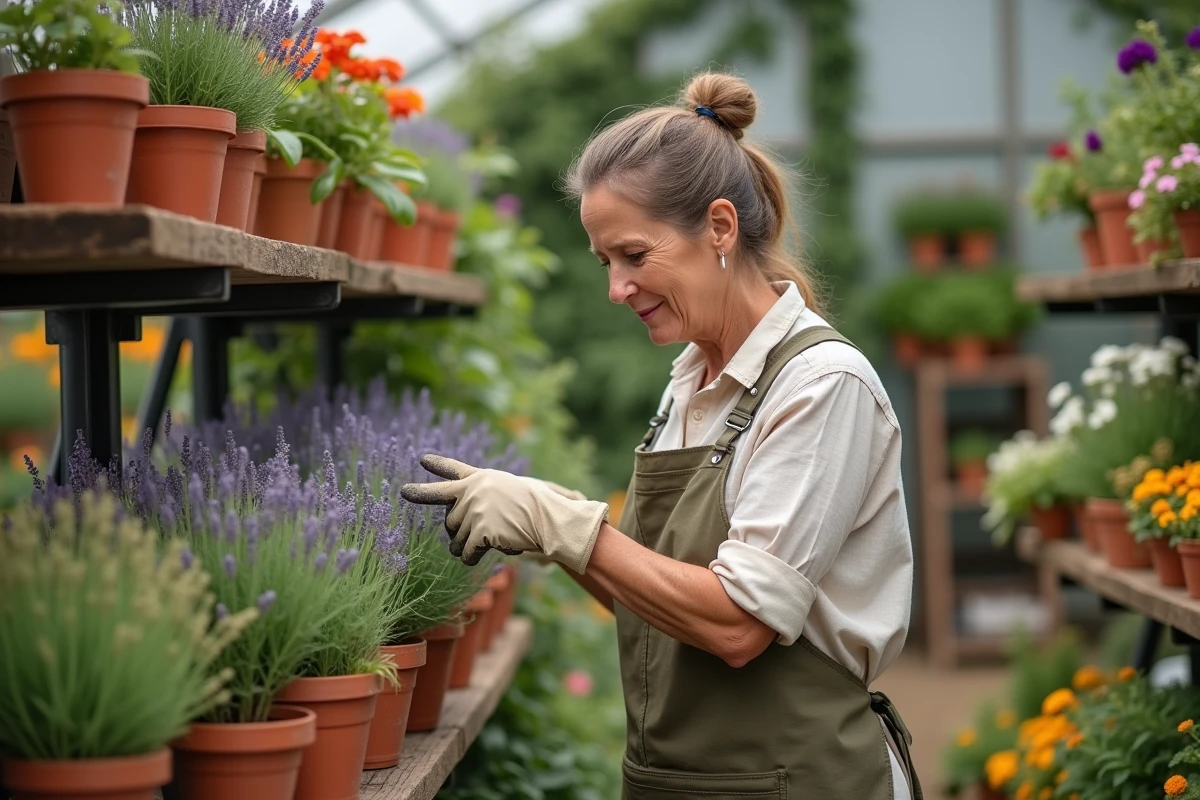
Clay soil retains water and is suitable for plants that tolerate stagnant moisture (marsh iris, astilbe). Sandy soil drains quickly and favors Mediterranean species (lavender, nepeta). Identifying your soil prevents buying plants doomed from the first season.
Actual Exposure
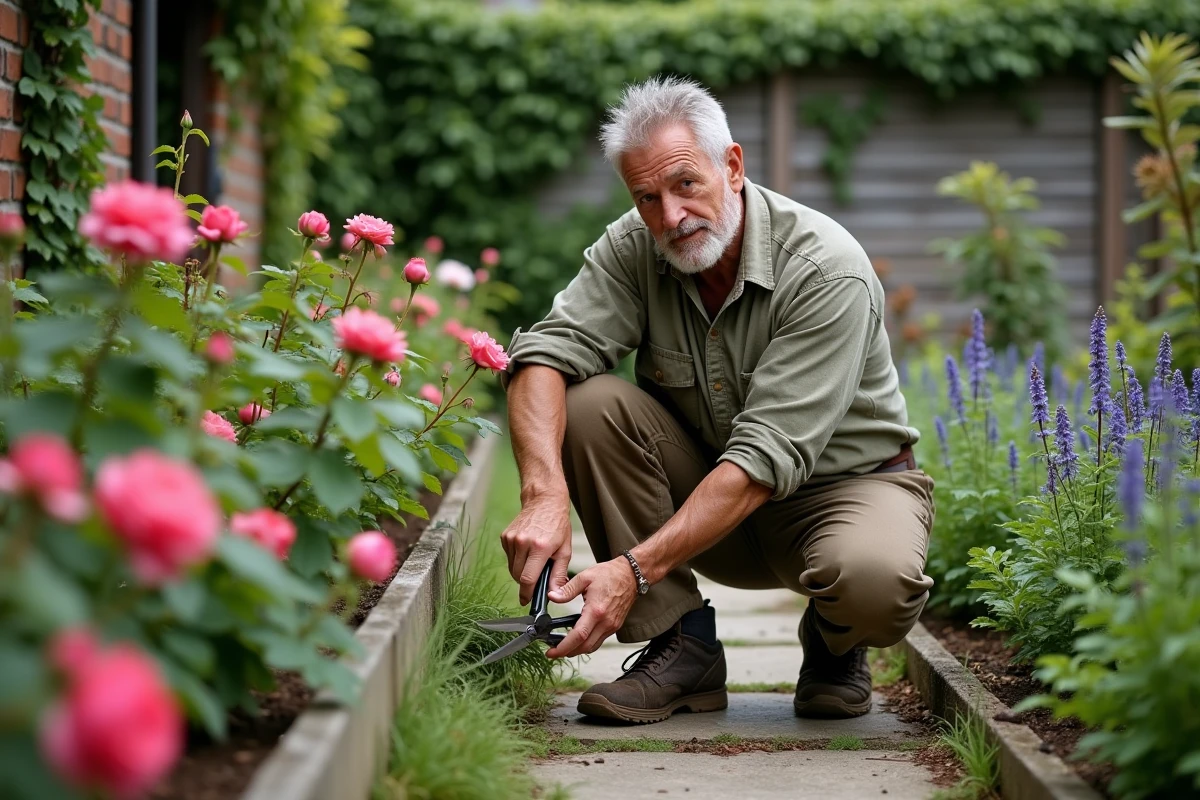
Full sun, partial shade, or dense shade are not just decorative nuances. A bed facing south can receive more than six hours of direct sunlight in summer, which can scorch the blooms of foxglove or columbine in just a few days. Conversely, placing a rose bush under tree cover significantly reduces its flowering and encourages fungal diseases.
Flowering Spread
Staggering flowering from spring to autumn ensures a colorful garden for several months. A bed that only blooms in June leaves a visual gap for three-quarters of the year. Combining early bulbs (crocus, daffodil), summer perennials (echinacea, rudbeckia), and late bloomers (aster, Japanese anemone) maintains continuous interest.
- Clay soil: favor moisture-tolerant species, mulch on the surface to limit compaction
- Sandy or draining soil: direct your choice towards Mediterranean or rock garden varieties, which are less water-demanding
- Limestone soil: check tolerance to high pH, which excludes heathland plants (hydrangea, camellia)
Flower Maintenance in the Garden: Water Management and Disease Prevention
The regular maintenance of a flowering bed relies on two often underestimated pillars: watering management and prevention rather than curative treatment.
Targeted and Economical Watering
Watering early in the morning limits evaporation. Directing water at the base of the plant, rather than on the foliage, reduces the risk of fungal diseases. Organic mulching (bark, straw, wood chips) keeps soil moisture longer between waterings.
This logic of economical watering is no longer just an ancillary piece of advice. It has become a central axis of sustainable gardening recommendations, especially in regions where summer water restrictions are becoming frequent.
Spacing of Plants and Air Circulation
One of the most common mistakes is planting too closely for an immediate mass effect. A dense bed prevents air from circulating between the stems. Moisture stagnates on the leaves, promoting powdery mildew, downy mildew, and rust.
Respecting the planting distance indicated on the label remains the most effective preventive action. Quickly removing affected parts (spotted leaves, soft stems) prevents spread without resorting to chemical treatment.
Pollinator-Friendly Flowers and Biodiversity: A Choice That Goes Beyond Aesthetics
Highly double-flowered varieties, resulting from intensive horticultural selection, often produce little or no nectar. Their supernumerary petals block access to the stamens. They attract the eye but do not nourish bees, butterflies, or hoverflies.
In contrast, pollinator-friendly species with staggered flowering directly contribute to the pollination of the garden, including that of fruit trees and the neighboring vegetable garden. Choosing flowers that nourish insects also protects the productivity of the rest of the garden.
- Phacelia and borage: long flowering, highly visited by bees, easy to sow in ordinary soil
- Common sage and thyme: dual culinary and pollinator use, suited to dry soils
- Cosmos and zinnia: low-maintenance annuals that ensure a relay of flowering from July to the first frosts
- Stonecrop: late autumn flowering, valuable when other nectar sources dwindle
Field reports vary on the ideal proportion of simple flowers to maintain in a bed, but the general trend leans towards at least half of the flowering plants being accessible to pollinators.
Adapting the choice of flowers to the reality of the soil, local climate, and the needs of beneficial wildlife results in more sustainable beds that require less maintenance. A flowering garden planned in advance requires fewer interventions than a garden that is constantly corrected. The initial sorting between what grows well in your area and what will not survive remains the most cost-effective action before any planting.